01
Bar-tacked stress points
Pocket mouths, belt loops and sleeve heads get a 42-stitch bar tack. It is the single cheapest thing a maker can do and the first thing a cheap garment skips.
What ten-ounce canvas, a bar-tack and a free repair desk actually mean — and why they decide how long a garment lasts.
Materials
Our outerwear runs on 10 oz cotton duck woven in North Carolina, garment-washed once before cutting so it arrives soft and stops shrinking on you. Knits are 6.5 oz ring-spun cotton, combed to remove short fibres, which is why the surface still looks clean after a season of laundry.
Construction
Pocket mouths, belt loops and sleeve heads get a 42-stitch bar tack. It is the single cheapest thing a maker can do and the first thing a cheap garment skips.
Two rows of lock-stitch plus an overlock finish. Even if one row fails, the seam holds until you can send it in.
Tubular tees twist after washing. Side-seamed bodies keep their shape and taper properly across the full size range.
A pleat behind each shoulder blade gives about two inches of reach, which matters when the job involves overhead work all day.
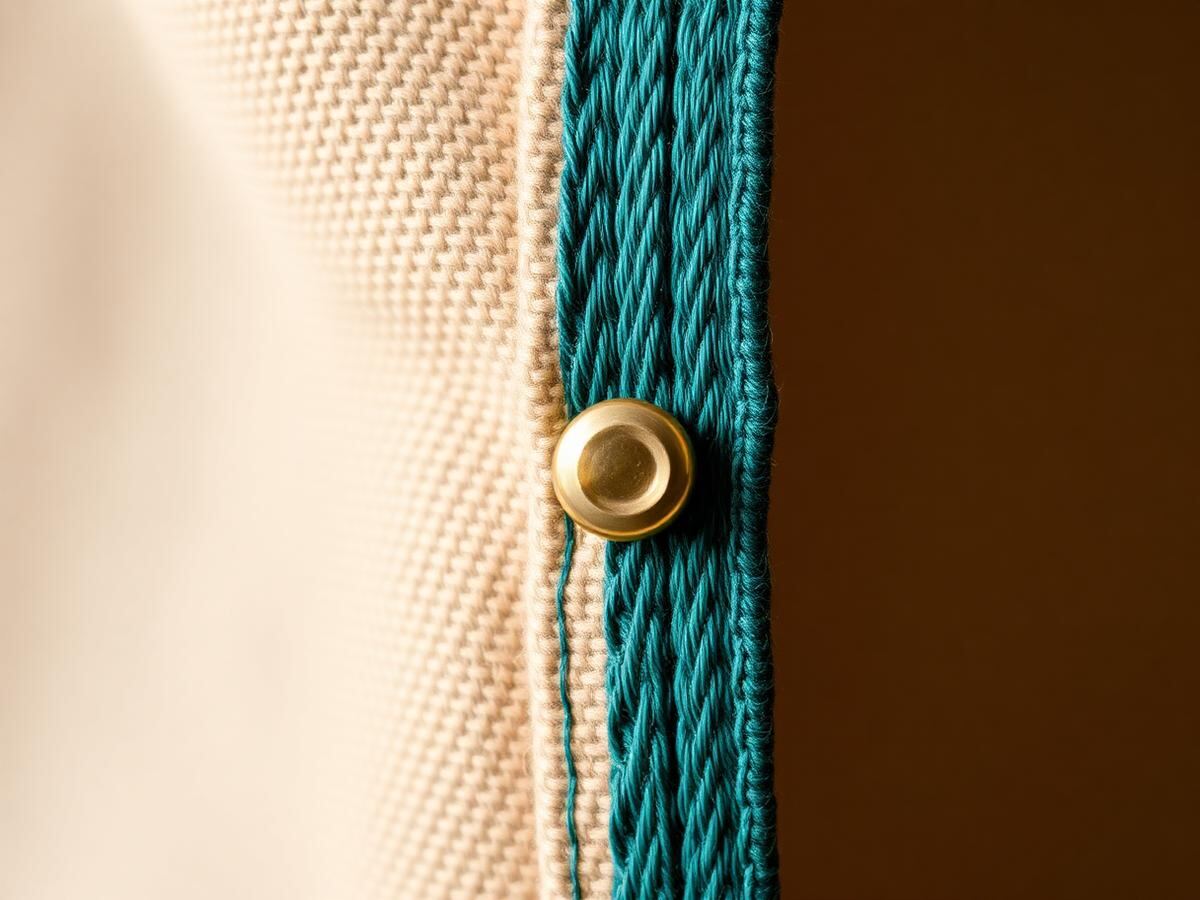
Snaps and rivets are standard sizes we stock, so a repair takes minutes rather than sourcing weeks.
Once off the machine, once at packing. Every garment is signed off by initials on the packing slip.
Care
"Send us the garment and a note. If a seam or a piece of hardware failed within two years of purchase, the repair and the return postage are on us. If it is honest wear and tear, we quote the repair before we touch it — usually $12 to $30."
Patsy Crawford, owner
Fabric weights, stitch counts, ink chemistry, whether a design will hold at 4,000 stitches — call 321-454-1431 and you will speak to someone who runs the machines.